Here on this page, you can explore a range of health conditions that disproportionately affect women or are frequently subject to misdiagnosis. So you and others can understand how to help yourselves and the others around you to ease women’s experiences. While also learning how to effectively advocate for yourself within healthcare settings to ensure you are taken seriously in appointments and consultations..
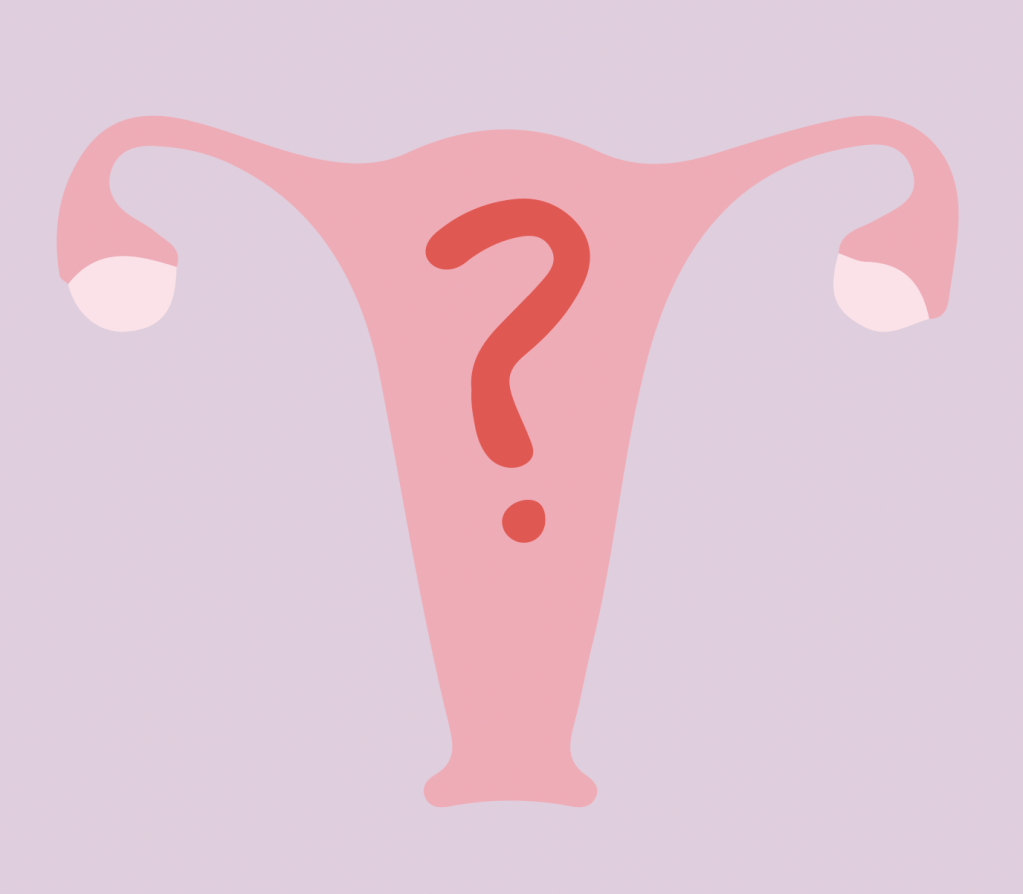
Endometriosis is a condition in which tissue similar to the lining of the uterus grows outside the womb, including the ovaries, fallopian tubes, and the pelvic lining.
Symptoms:
Menstrual pain that interferes with everyday activities.
Heavy menstrual flow, changing pads or tampons frequently.
Pain during sex
Pain or bleeding in other areas
Exreame tiredness
Difficulty getting pregnant
Low mood swings
Want to read up more? Go to the NHS website for further information here.
Screenshot taken from Livi Women’s Health Campaign
How to Help
Painkillers- To relieve pain
Contraceptive Pills- Hormone therapies to alleviate symptoms by adjusting hormone levels.
Surgery
If endometriosis treatments are not working, keep coming back, or if there are a lot of affected areas, then surgery might be the best option to relieve pain or to help you have children. You might need to have multiple procedures if the endometriosis keeps coming back. There are different kinds of surgery to:
Removal of areas of endometriosis or fluid-filled sacs
Surgically removing the uterus or ovaries
Deconstruction of the bladder or bowels if the area is affected
Autoimmune Diseases
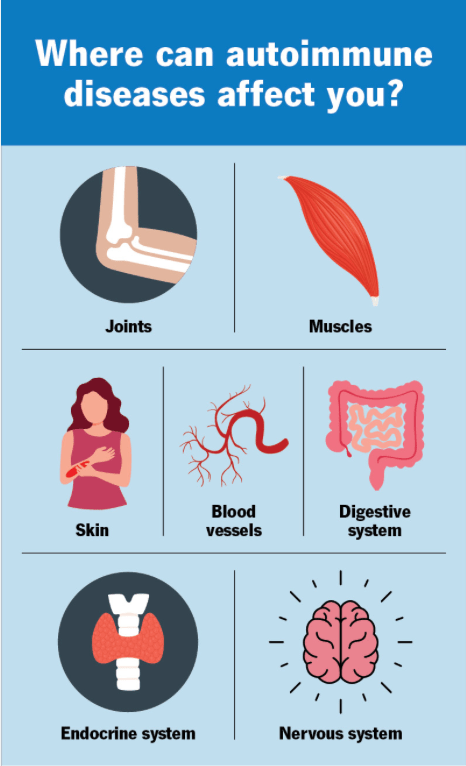
Autoimmune diseases occur when a person’s immune system starts attacking their own cells and tissues instead of protecting the body from harmful bacteria and viruses. There are over 50 known diseases, and generally, no cure, but there are ways to manage.
Navigating life’s intricate fabric, choices unfold paths to the extraordinary, demanding creativity, curiosity, and courage for a truly fulfilling journey.
Treatment
Physical Therapy to engage mobility
Pain- Killing Medication such as paracetamol
Anti-Inflammatory Drugs to reduce inflammation and pain.
Surgery such as to treat blockages
Risk Factors
Genetics- This may contribute to the development of autoimmune diseases appearing within families, but additionally, environmental factors can also trigger the immune response.
Gender- Sex differences are evident in autoimmune diseases. Women are disproportionately more affected.
Sex Hormones-Autoimmune diseases are more likely to appear during reproductive years and fluctuate during pregnancy, childbirth and menopause.
Where to Get Help
Doctors
Freinds
Family
If you or someone you know is struggling, click here to reach out through our campaign.
“We need to make sure there is a safe environment for young women and girls to talk openly about what has traditionally been a taboo subject.“
Jessica Ennis-Hill
Heart Disease
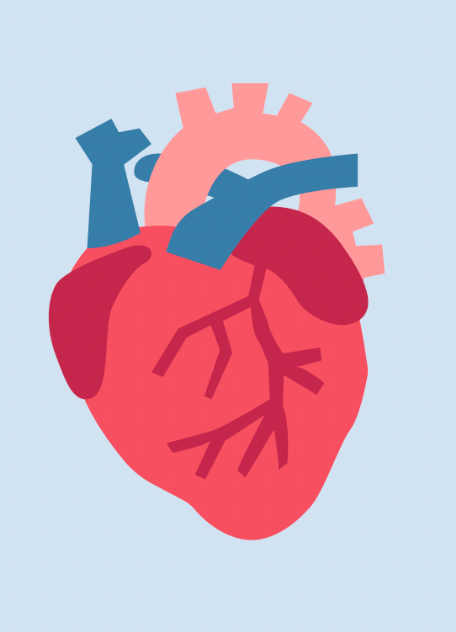
Heart disease refers to a range of medical conditions that impact the structure and functioning of the heart. Research from the British Heart Foundation reveals 8,200 women will die needlessly following a heart attack over 10 years because they have not received the same quality of care as men
Coronary heart disease (CHD). The arteries become narrow due to a build-up of fatty deposits, restricting blood flow to and from the heart.
Peripheral arterial disease (PAD). The accumulation of fat restricts blood flow to the legs and feet.
Aortic disease. A range of conditions that affect the Aorta, the body’s main blood vessel, which may result in the development of an abdominal aortic aneurysm.
Stroke. When blood flow to part of the brain is interrupted due to a blockage, it can disrupt functions such as speech and movement. This is when F.A.S.T is needed.
If you or someone you know is experiencing any of these symptoms call 999 immediately.
Who’s the Expert of Your Body?
Trust your Instincts
You know your body better than anyone. If a symptom feels wrong or a diagnosis doesn’t, sit right you have every right to ask for further investigation.
Track your Symptoms
Keep a detailed description of your pain, symptoms, cycles and moods. Bringing data makes it easier to spot patterns and for you to be taken seriously.
Document Refusal
If a doctor denies a test or referral you believ is necessary then ask to document it to prompt a second opinion.
Ask ‘Why’ and What else’
If a doctor is dismissive with you, ask questions that prompt them to look beyond the obvious answer. Example: ‘What do you think is the best path?’ or ‘ Is there something else that could be causing this ?’
Seek Second Opinion
If you don’t feel heard or supported you have the right to seek a fresh consultation. You are never stuck with one doctor or nurse.
 Her Right Diagnosis